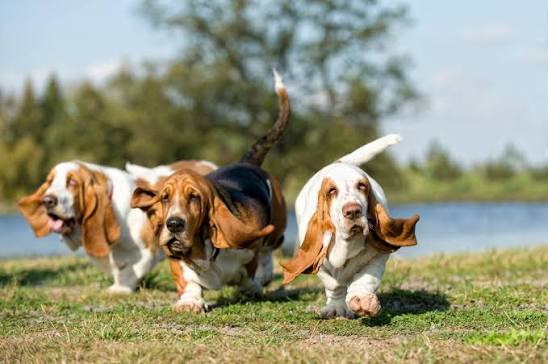
Basset Hounds stand out on our site next to the doodle breeds, and honestly, that's exactly why families ask about them. They're not a designer mix, they're a purebred hound with centuries of history behind those long ears and low-slung frame. If you're considering a Basset Hound puppy, here's what actually matters once you bring one home, not just the cute factor that gets everyone's attention first.
A Breed With Real History
Basset Hounds were developed in France, bred specifically to track rabbits and small game at a walking pace hunters on foot could keep up with. That single fact explains almost everything about the breed's personality and body. Their short legs and heavy bone structure keep them close to the ground, perfect for following a scent trail through thick brush. Their famously long ears aren't just for looks either, they're thought to help sweep scent particles up toward the nose while tracking. Everything about a Basset Hound's shape was built for a job, and that history still shows up in their instincts today.
Size and Physical Traits
Adult Basset Hounds typically weigh between 40 and 65 pounds, which surprises a lot of people given how short they stand, usually only 13 to 15 inches at the shoulder. Don't let the low height fool you, they're a solidly built, dense dog, not a small one. Males tend to run larger and heavier than females. Their long backs and short legs mean they're prone to certain joint and spine issues if they gain excess weight, so keeping a Basset Hound at a healthy weight matters more for this breed than most.
Temperament: What Living With a Basset Hound Is Actually Like
Basset Hounds are famous for being easygoing, and that reputation is earned. They're generally calm, affectionate, and rarely aggressive, they tend to get along well with children, other dogs, and even cats when raised together. Many owners describe them as having a stubborn streak too, which comes from their hound background, they were bred to work independently, following a scent trail on their own judgment rather than constantly checking in with a handler. That independence can make training take a bit more patience than some other breeds.
They're also known for being fairly vocal. A Basset Hound's bay, that deep, drawn-out howl, is part of their hunting heritage, used to alert hunters from a distance. If you live in an apartment or close to neighbors, this is worth thinking through honestly before bringing one home, they're not constant barkers, but they will bay when something catches their interest, and it's a distinctive sound that carries.
Exercise Needs
Despite their low-energy appearance, Basset Hounds do need regular exercise, just not intense exercise. A couple of 20 to 30 minute walks a day suits most adult Bassets well. They're not a breed built for running or jumping, their long backs and short legs make high-impact activity risky for their joints and spine over time. Sniffing walks, where they're allowed to follow their nose at their own pace, tend to satisfy them more than a fast-paced jog ever would, it taps directly into what the breed was bred to do.
Grooming
This is one of the easier parts of Basset Hound ownership. Their short, dense coat sheds a moderate amount but requires minimal styling, a weekly brush with a rubber curry brush or grooming mitt is usually enough to manage loose hair and keep the coat healthy. The areas that actually need real attention are their skin folds and those famous long ears.
- Ears should be checked and cleaned weekly, their length and shape trap moisture and debris, making Basset Hounds more prone to ear infections than most breeds
- Facial folds and any loose skin should be wiped and dried regularly to prevent irritation or infection in the creases
- Nails need regular trimming since their low stance means nails can affect their gait more noticeably than in taller breeds
- Bathing every 4 to 6 weeks is usually sufficient, more often can dry out their skin
Health Considerations
Like any breed, Basset Hounds have a few things worth knowing ahead of time. Their long backs make them prone to intervertebral disc disease, so we always encourage owners to avoid letting them jump on and off furniture repeatedly and to manage their weight closely, extra pounds put real strain on their spine and joints. Their ears, as mentioned, need consistent care to avoid infections. And like many deep-chested, food-motivated breeds, keeping portion control in check matters, Basset Hounds are notorious for their appetite and will happily overeat if allowed.
None of this means the breed is fragile, with sensible care, Basset Hounds are a sturdy, long-lived breed. It just means a little proactive attention goes a long way.
Is a Basset Hound Right For Your Family?
Basset Hounds tend to suit families looking for a calm, affectionate, low-drama companion who doesn't need constant high-energy activity. They're generally wonderful with kids, patient and unbothered by household chaos, and content to lounge nearby for most of the day. Where they don't fit as well is with families wanting a highly trainable, eager-to-please dog, or households that can't tolerate occasional baying. If you appreciate a dog with personality and a bit of independent stubbornness, wrapped in one of the most recognizable, good-natured breeds around, a Basset Hound might be exactly right.
Frequently Asked Questions
Are Basset Hounds good with children?
Yes, generally very good. Their patient, easygoing temperament makes them well suited to households with kids, though as with any breed, supervision during early interactions is always recommended.
Do Basset Hounds bark a lot?
They're not constant barkers, but they are known for baying, a deep, howl-like vocalization tied to their hunting background. It's worth considering if you live somewhere noise-sensitive.
How much exercise does a Basset Hound need?
Moderate exercise, typically two shorter walks a day rather than intense activity. Their body structure isn't suited to high-impact exercise like running or jumping.
Do Basset Hounds shed a lot?
They shed a moderate, consistent amount year-round rather than heavy seasonal shedding. A weekly brush usually keeps it manageable.
Are Basset Hounds easy to train?
They can be more stubborn than some breeds due to their independent hunting instincts. Positive reinforcement and patience go a long way, but they're not typically as quick to obey as breeds bred specifically for obedience work.
If you think a Basset Hound might be the right fit, take a look at our available puppies or reach out through our contact page, we're happy to answer any questions about our current litters and the parents behind them.