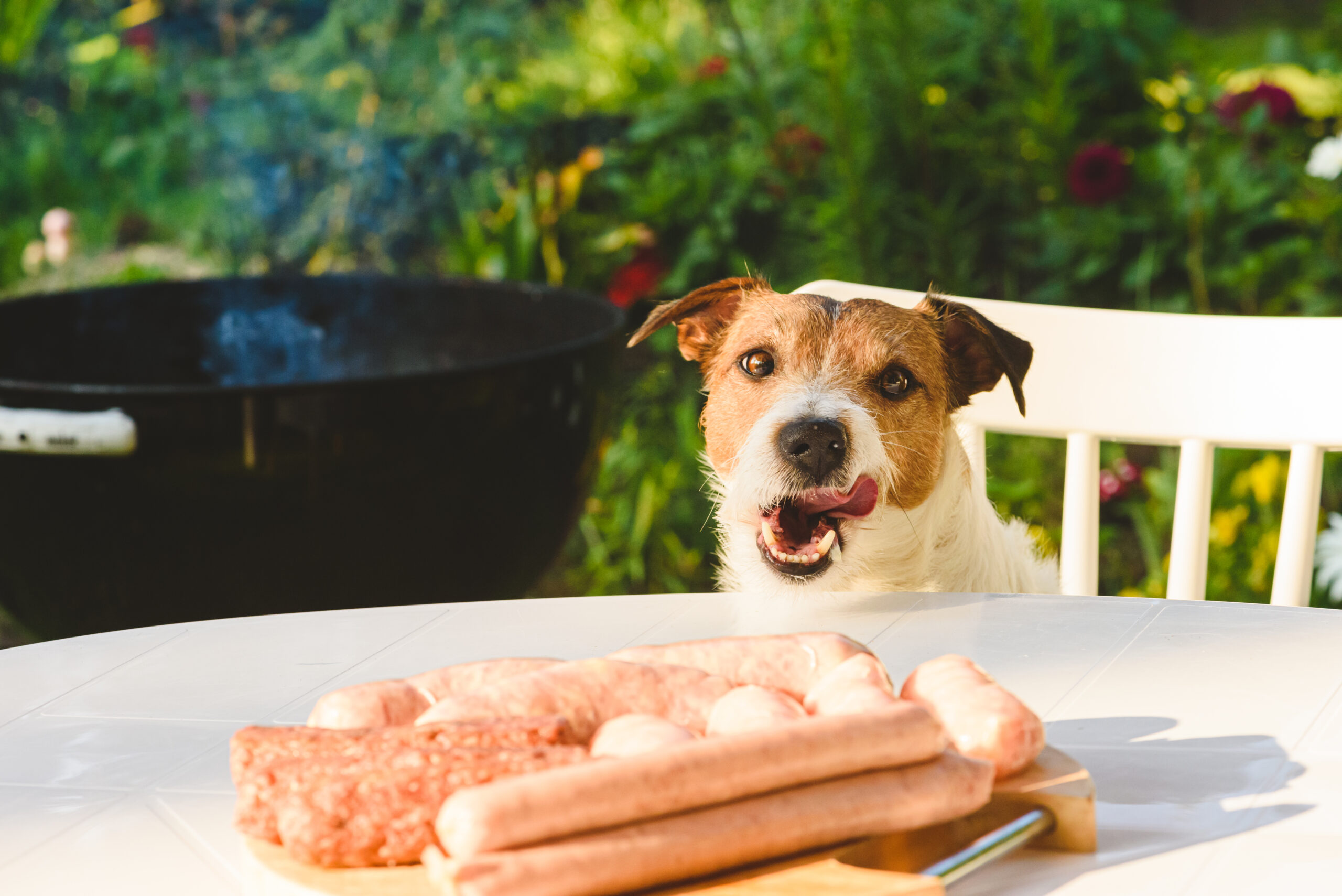
We get feeding questions constantly from families who've just brought home a Goldendoodle, Bernedoodle, Cavapoo, Maltipoo, or Basset Hound puppy, and honestly, most general dog nutrition articles online don't actually answer the question well. They talk about meat for adult dogs, not puppies, and they rarely mention that a growing Standard Bernedoodle has very different needs than a growing Toy Maltipoo. So we wanted to write the guide we wish more new puppy owners had access to, specific to actual growth stages and the breeds we raise.
Why Puppy Nutrition Isn't the Same as Adult Dog Nutrition
This is the part most generic articles skip entirely. A puppy's body is doing an enormous amount of work in a short period, building bone, muscle, and organ tissue at a rate that will never happen again in their life. That means their protein needs, calorie density, and even mineral balance are meaningfully different from a full-grown dog eating the same bag of food. Feeding a puppy like a small adult dog, rather than a growing puppy, is one of the most common and avoidable mistakes new owners make.
Size Matters More Than People Expect
Here's something that surprises a lot of new owners: larger puppies and smaller puppies actually need different feeding approaches, not just different portion sizes. A Standard Bernedoodle or Standard Goldendoodle puppy grows quickly and is prone to joint issues later in life if their calcium and phosphorus intake isn't carefully balanced during those fast-growth months. Overfeeding a large-breed puppy, or feeding a diet too high in calorie density too early, can actually contribute to growing too fast, which puts extra strain on developing joints.
On the other end, Toy and Miniature puppies, like Maltipoos and smaller Cavapoos, have a different risk entirely: their tiny bodies burn through energy fast and can be prone to low blood sugar (hypoglycemia) if meals aren't frequent and calorie-dense enough in those first few months. This is why we always tell families with a toy-breed puppy to keep meals more frequent early on, rather than stretching to two meals a day too soon.
Chicken: A Reliable Everyday Protein
Chicken remains one of the most practical proteins for a growing puppy, lean, easy to digest, and generally well tolerated even by puppies with sensitive stomachs during the transition to solid food. It provides quality amino acids to support muscle development without excess fat that can upset a young digestive system still adjusting to life away from their mother's milk.
Turkey: Gentle on Developing Digestion
Turkey is a good rotation option alongside chicken, particularly for puppies who seem a little sensitive during the early weeks home. It's lean, low in fat, and tends to sit well even during the stress of a new environment, moving to a new home is genuinely a big transition for a young puppy, and digestive upset in the first week or two is common as their gut adjusts.
Beef: Useful for Active, Larger-Breed Puppies
Beef brings a strong nutrient profile, iron, zinc, and B12, that can support the higher energy demands of a growing Bernedoodle or Standard Goldendoodle puppy. It's more calorie-dense than chicken or turkey, which can be a genuine benefit for larger breeds working through a serious growth phase, though portion control still matters to avoid puppies growing too quickly.
Fish: Support for Coat and Joint Development
Fish, particularly salmon, brings omega-3 fatty acids that support healthy skin, a shiny coat, and importantly for our larger breeds, early joint and cognitive development. We often see this recommended specifically for large-breed puppies like Bernedoodles, where joint health starting from puppyhood genuinely matters for their long-term comfort and mobility.
Lamb: An Option Worth Knowing for Sensitive Puppies
Lamb can be a helpful alternative protein if a puppy shows signs of sensitivity to more common proteins like chicken. It's rich and satisfying, though because it's more calorie-dense, portion sizing matters, particularly for smaller breed puppies like Maltipoos or Cavapoos who don't need as many calories per meal as a Standard-sized doodle puppy.
A Quick Guide by Breed Size
- Standard Bernedoodles and Standard Goldendoodles: Prioritize controlled growth, balanced calcium and phosphorus, and avoid overfeeding calorie-dense proteins too early in the growth phase.
- Miniature Cavapoos and Mini Bernedoodles: A more moderate approach works well, regular meals with a mix of lean and moderately calorie-dense proteins as they grow.
- Maltipoos and Toy-sized puppies: Frequent, calorie-dense meals matter more here than with larger breeds, watch closely for signs of low energy between meals in the first few months.
- Basset Hounds: Their long backs and heavier build mean weight management starts early, avoid overfeeding even calorie-dense proteins to prevent excess strain on their developing spine and joints.
What We Actually Feed Our Puppies
Every puppy that goes home with a family from us has already been eating a properly balanced puppy food appropriate for their expected adult size, and we're always happy to share the specific feeding schedule and transition plan for your puppy's breed and size when you reserve. Switching foods too abruptly after bringing your puppy home is one of the most common causes of upset stomach in the first week, so we recommend a gradual transition if you do decide to change their diet, mixing the new food in slowly over seven to ten days.
Signs Your Puppy's Diet Might Need Adjusting
Keep an eye out for low energy that doesn't improve with rest, a dull or flaky coat, inconsistent stool, or a puppy that seems hungry shortly after eating a full meal. Any of these can be worth a conversation with your veterinarian about whether their current protein source or feeding schedule needs adjusting for their specific breed and growth stage.
Frequently Asked Questions
How often should a puppy eat?
Most puppies do well on three to four meals a day until around four months old, then can typically transition to two meals a day. Toy breed puppies often benefit from keeping frequent meals a little longer to avoid low blood sugar episodes.
Is raw meat safe for puppies?
Raw feeding carries genuine risks for puppies, including bacterial contamination and nutritional imbalance if not carefully formulated by a veterinary nutritionist. We generally recommend properly cooked, complete puppy food formulated for your puppy's specific size category rather than a raw diet during these critical growth months.
Do large-breed puppies really need different food than small-breed puppies?
Yes, genuinely. Large-breed puppy formulas are specifically balanced to support slower, controlled bone growth and reduce the risk of joint issues later in life, something that matters significantly for breeds like Standard Bernedoodles and Goldendoodles.
When can I switch my puppy to adult food?
This varies by breed size, smaller breeds often transition around 9 to 12 months, while larger breeds like Standard doodles may benefit from staying on puppy food until 15 to 18 months to support their longer growth period. Your veterinarian can advise on timing specific to your puppy.
If you have questions about feeding your specific puppy, we're always glad to talk through it in detail before or after you bring them home. Browse our available puppies or reach out through our contact page with any questions.